
Speaking, Media, and Press Kit
Evidence-based talks on forest therapy, acoustic ecology, nature prescriptions, and human health. Clear takeaways for conferences, executive retreats, and media interviews.
Selected Media Features
Broadcast interviews and reporting on quiet trails, acoustic ecology, and forest therapy.
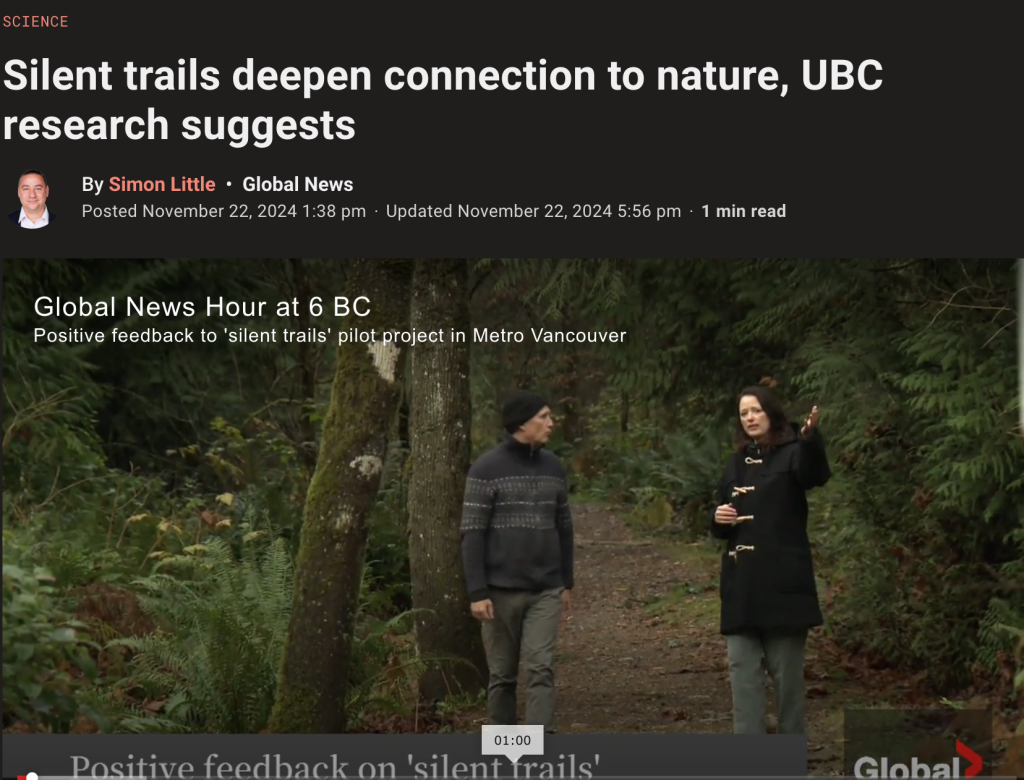
Positive Feedback to Silent Trails Pilot Project in Metro Vancouver
Television broadcast coverage highlighting the acoustic assessment pilot across Campbell Valley and Pacific Spirit Regional Parks, exploring how designated quiet corridors protect wildlife and reduce stress for park visitors.
Watch Global News segment ↗B.C. Researchers Study ‘Silent Trails’ to Help Urbanites Unplug
In-depth research profile on the empirical soundscape trial in Metro Vancouver Regional Parks. The study found that 78% of trail soundscapes improved when designated as quiet corridors, providing data-driven metrics for park managers.
Read UBC News coverage ↗Speaking Topics and Formats
Delivery is direct, grounded in data, and designed to give audiences actionable frameworks they can use right away.
Forest Bathing Evidence and Measurable Health Outcomes
What clinical evidence actually shows: physiological markers, cardiovascular data, and consistent health benefits across sun, rain, and snow. Examines how specific forest attributes, not just outdoor presence, drive recovery.
Read doctoral dissertation on Research page →Silent Trails: Protecting Acoustic Habitat for Wildlife and Humans
How anthropogenic noise degrades biodiversity and human nervous system recovery. Details practical protocols and decibel thresholds for designating quiet trail corridors in urban and peri-urban parks.
Explore Silent Trails methodology ↗Nature as Public Health Infrastructure
Moving from ornamental green spaces to preventative healthcare systems. Lessons from Japanese forest therapy bases, municipal park networks, and evidence-based environmental design.
Learn about Tara’s background →The Four Pillars of Connection in Nature
A research-informed relational framework for program design and wellbeing: Self (nervous system regulation), Others (human community), More-than-human world (living ecosystems), and Meaning (purpose and belonging).
Explore the framework →Nature Prescriptions (PaRx) and Lasting Habit Formation
Addressing the behavioral gap between receiving a clinical nature prescription and establishing a sustained outdoor routine. How micro-practices like Sit Spot Club make daily nature accessible.
View Sit Spot Club practices ↗Custom Curated Keynotes and Facilitated Retreats
Tailored keynotes and outdoor experiential sessions designed for healthcare teams, urban planning departments, corporate retreats, and academic colloquiums.
Inquire about custom topics →Past Speaking Engagements
Keynotes, panels, and workshops across forestry, medicine, technology, and public health.
Press Bios
Standard bios for event programs, introductions, and editorial coverage.
Short Bio (100 words)
Tara Tiger Brown, PhD is a nature-based health researcher with a doctorate from UBC’s Faculty of Forestry and Environmental Stewardship. Her randomized crossover study on forest bathing across Metro Vancouver parks produced the first evidence-based metrics for optimizing therapeutic trails in urban settings. She founded Silent Trails in partnership with Metro Vancouver Regional Parks and created Sit Spot Club, a structured daily nature practice rooted in her research. She has spoken at IUFRO, The White House, SXSW, and the UN GEF Assembly. Based in Vancouver, BC.
Long Bio (300 words)
Tara Tiger Brown, PhD holds a doctorate in Forestry and Environmental Stewardship from the University of British Columbia, where her dissertation research examined forest bathing interventions across four Metro Vancouver urban and peri-urban parks through all four seasons. Using a randomized crossover study design, she compared guided and self-guided approaches while investigating the influence of environmental factors (canopy cover, acoustic conditions, plant diversity, and microclimate) on physiological and psychological health outcomes.
Her research demonstrated that forest bathing produces significant, measurable health benefits regardless of weather conditions, with consistent heart rate decreases, improved mood, and increased nature connectedness in sun, rain, and snow. Critically, her findings showed that higher plant diversity and quieter forest environments were associated with greater mood improvements, providing evidence-based metrics that parks departments can use to designate and optimize therapeutic trail corridors.
Responding to her findings, Brown developed Silent Trails, a soundscape assessment methodology piloted in collaboration with Metro Vancouver Regional Parks. She also created Sit Spot Club, a structured daily nature practice program grounded in the Stepwise Sensory Arc, her proprietary framework for progressive sensory engagement. A registered PaRx Connector, she bridges clinical nature prescriptions and patient follow-through.
Before her doctoral research, Brown spent 8 years at Microsoft as a senior program manager, then left to co-found education technology startups in California and Japan. She holds certifications as a Forest and Nature Immersion Guide trained in both Japan and Canada. She speaks internationally on forest therapy, acoustic ecology, and nature as public health infrastructure.
Press Headshots
High-resolution downloadable headshots for conference programs, announcements, and articles.
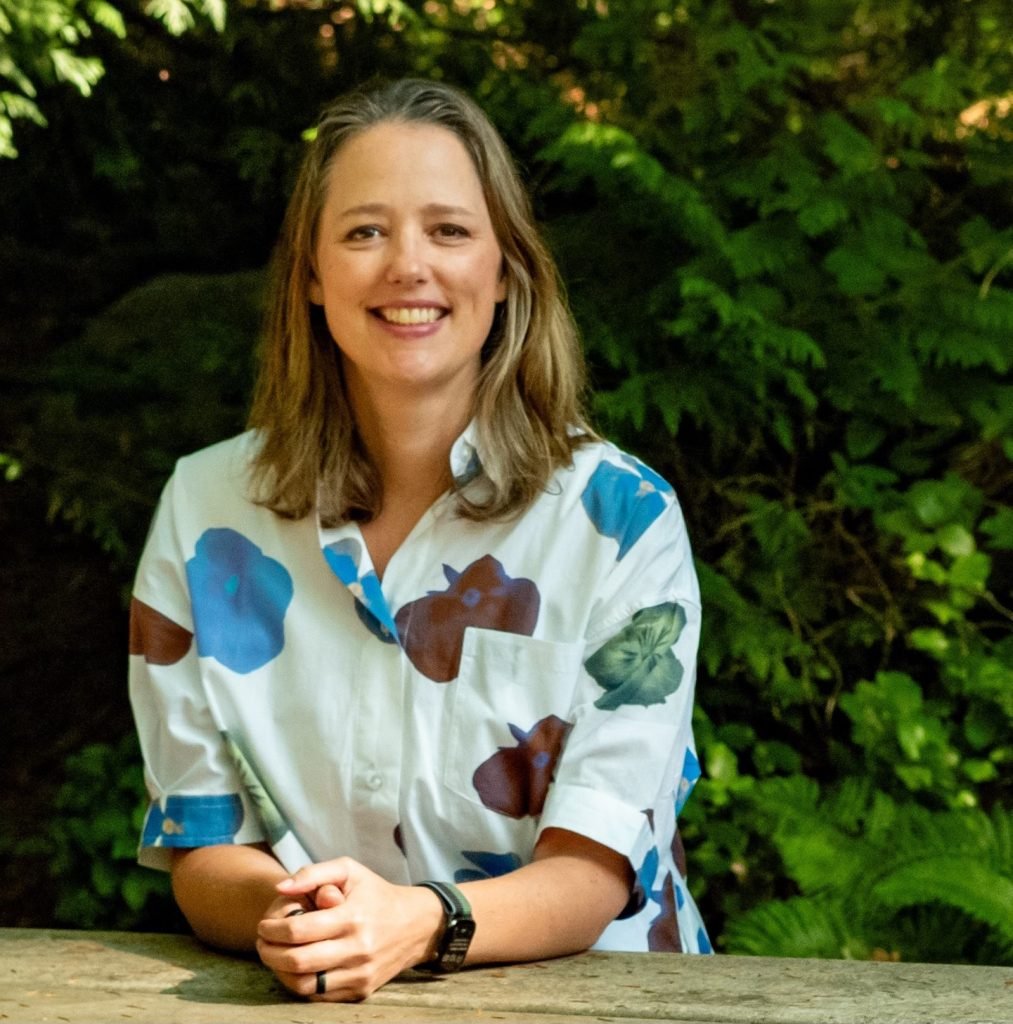
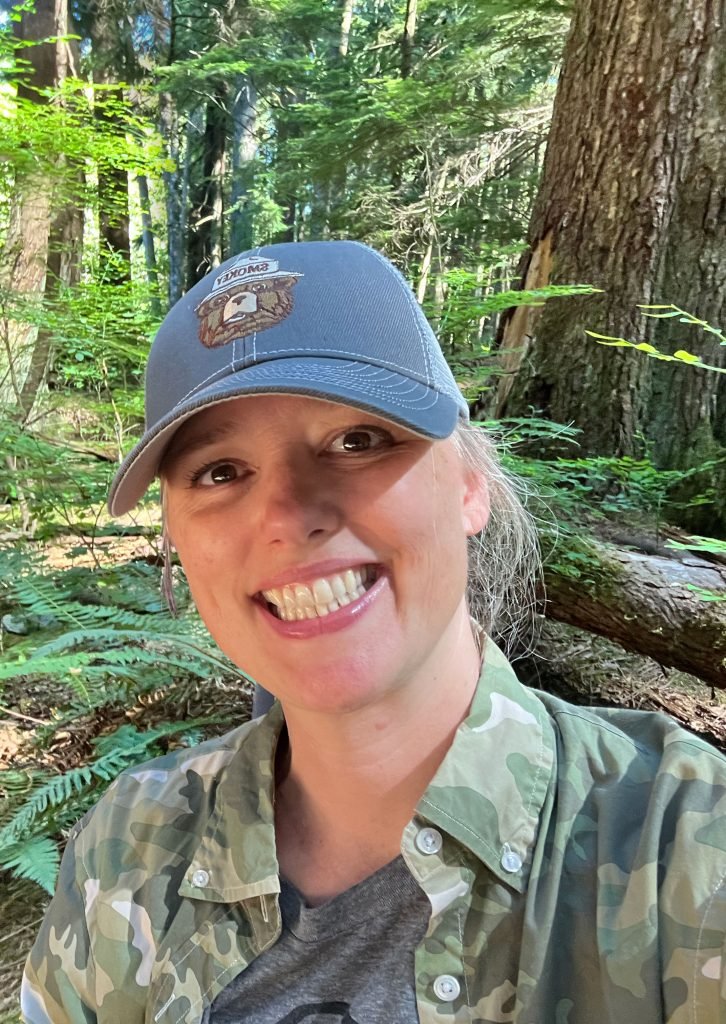
All photos free to use for press and editorial purposes with attribution: Photo: Tara Tiger Brown
Book Tara for a Keynote, Panel, or Interview
Check speaking availability, request a custom workshop proposal, or arrange an interview. We reply within 1-2 business days.
