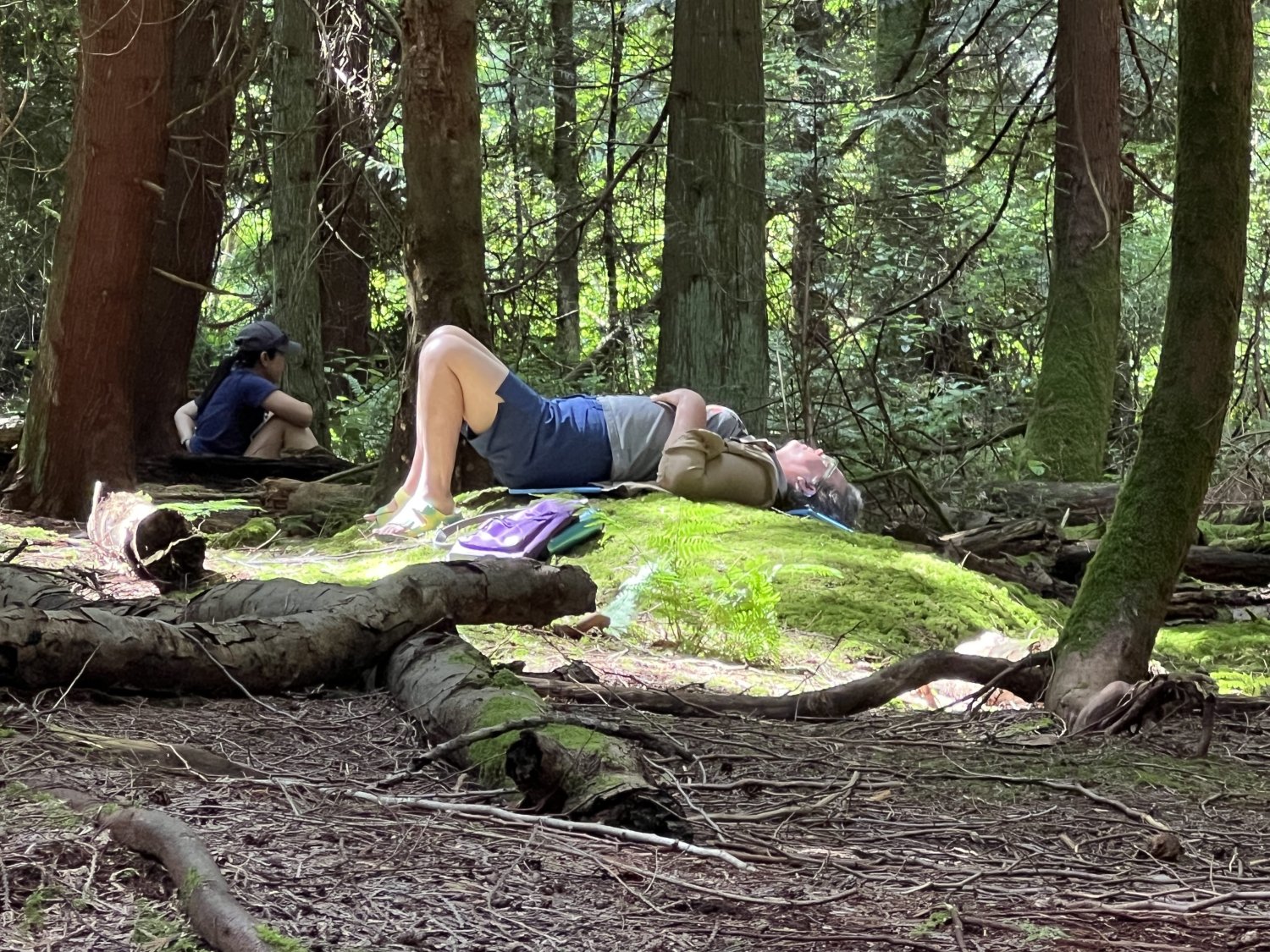
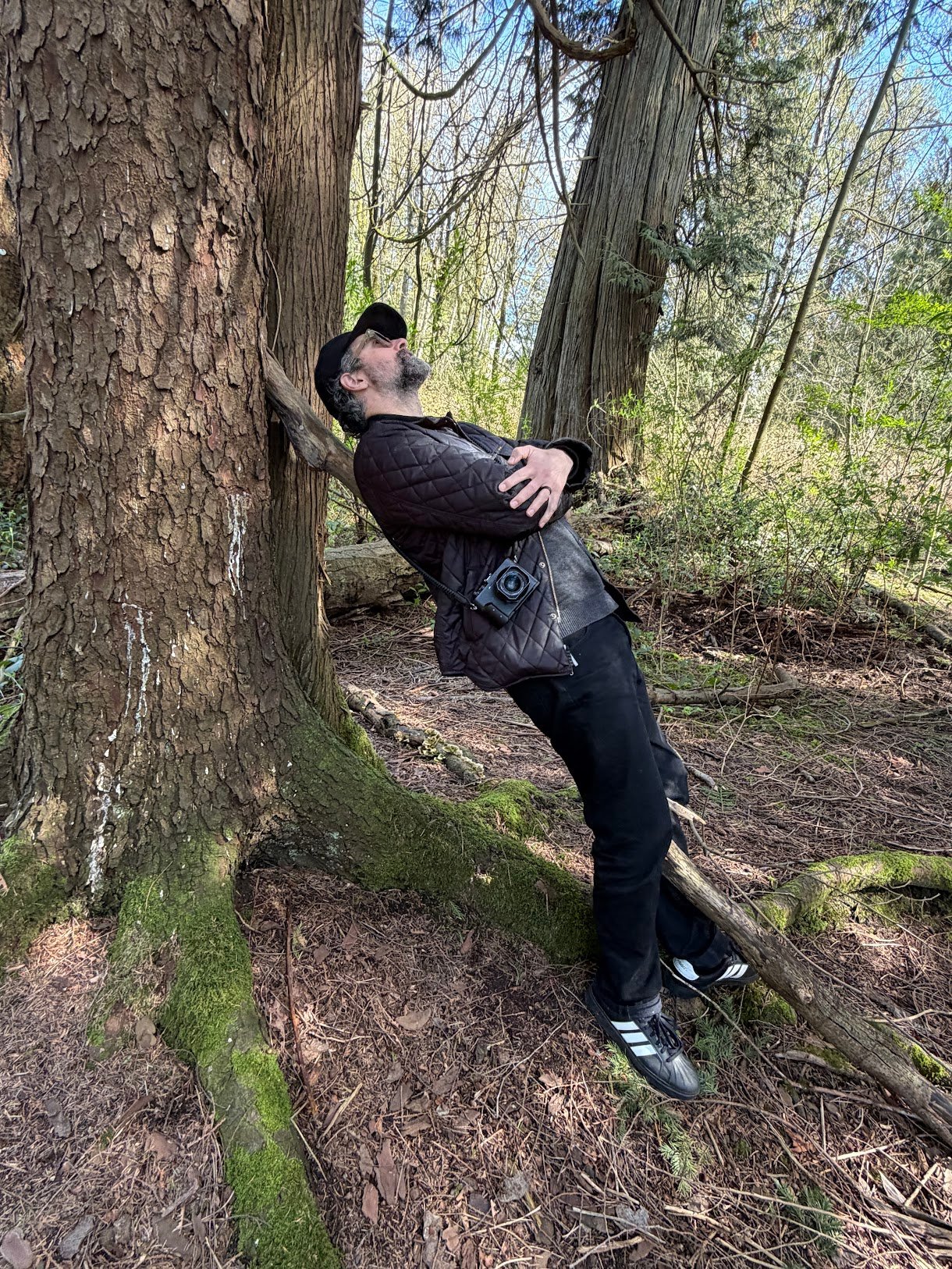
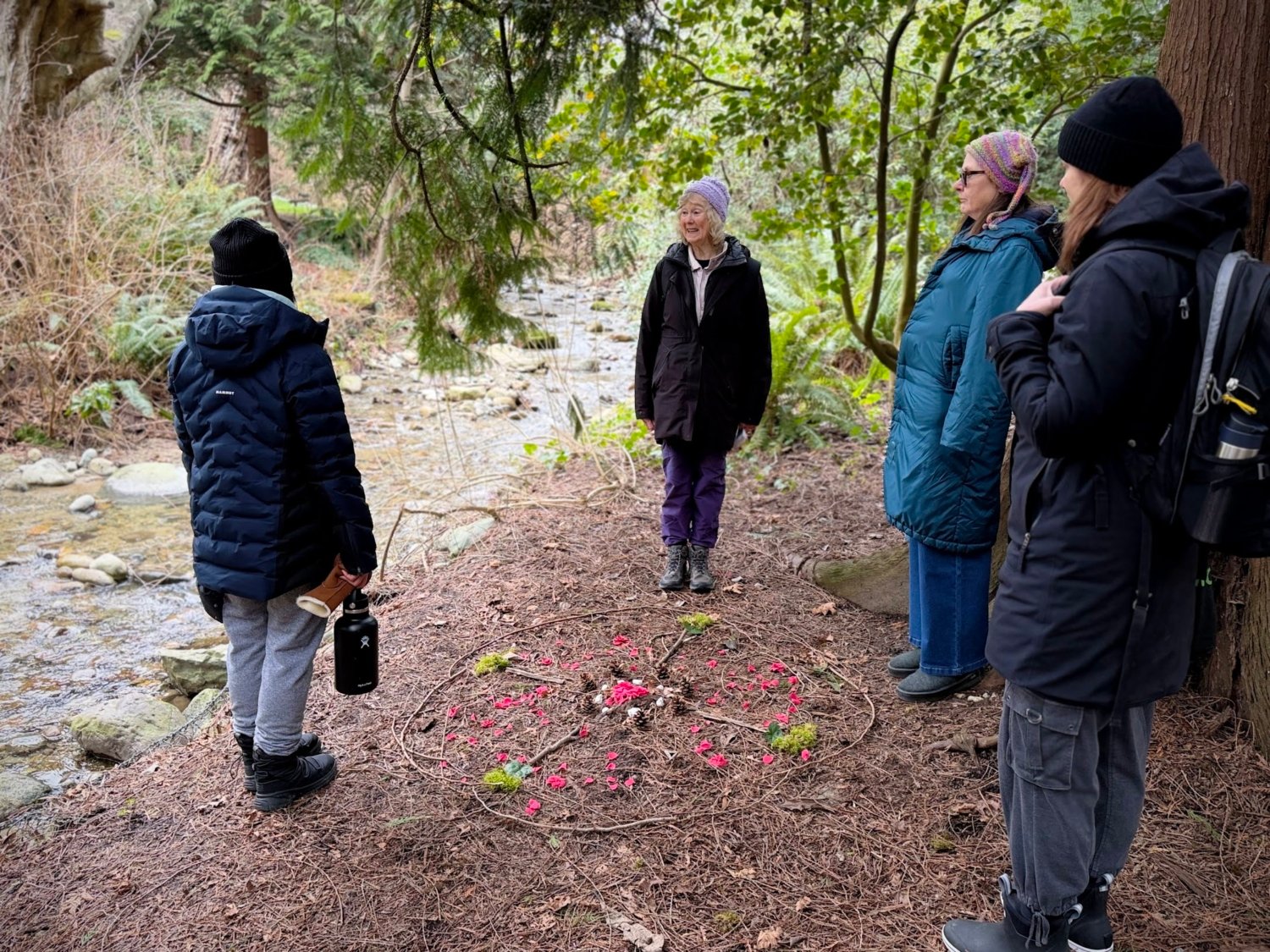
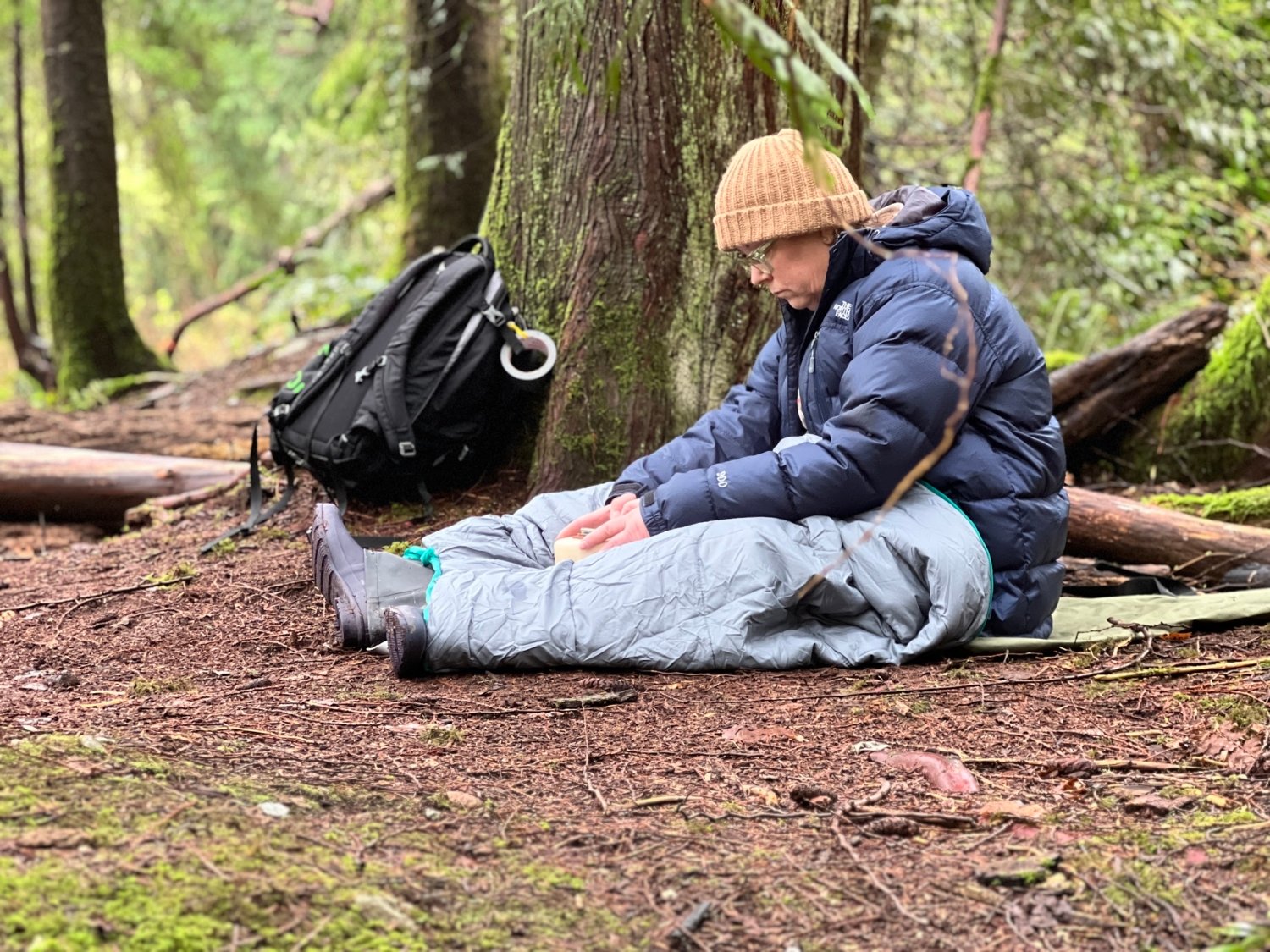
The biophilia hypothesis is the idea that humans have an innate tendency to seek connection with living systems including plants, animals, landscapes, water, sunlight, and other forms of nature.
The term was popularized by biologist E. O. Wilson in his 1984 book Biophilia. Wilson argued that because human beings evolved for most of their history in close relationship with natural environments, our nervous systems may still be especially responsive to certain natural patterns.
That does not mean every person automatically loves every aspect of nature. It means that, on average, humans may be predisposed to notice and value life-supporting environments.
The evolutionary logic
For early humans, paying attention to nature had practical consequences:
– Water could mean survival.
– Fruit-bearing plants could mean food.
– Animal movement could signal danger or opportunity.
– Open views could make threats easier to detect.
– Trees and sheltered spaces could provide protection.
– Seasonal changes could signal when to move, hunt, or gather.
Over many generations, environments containing cues of safety, resources, and possibility may have become emotionally attractive.
What it looks like today
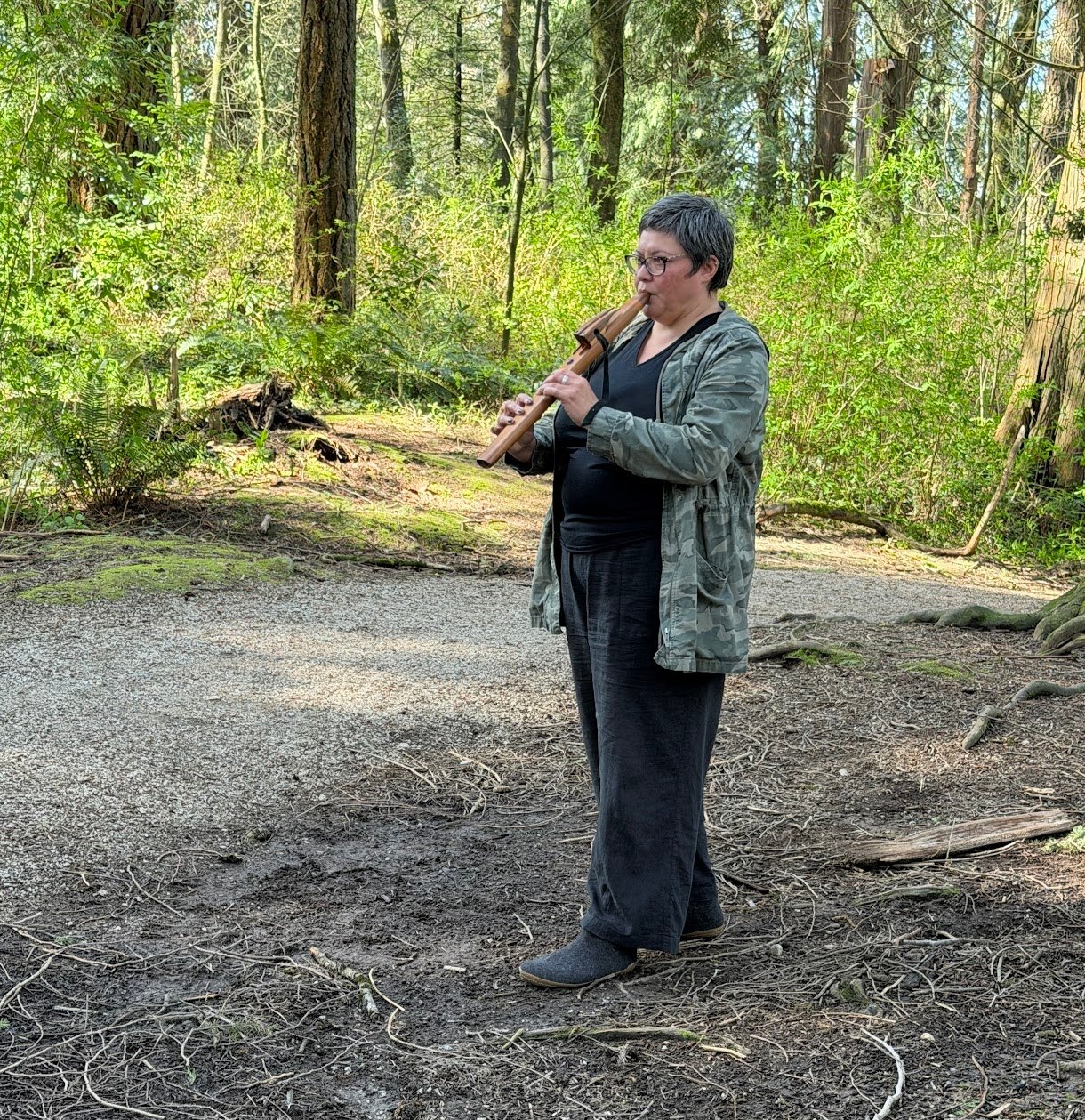
Glee Devereaux
Biophilia may help explain why people often find these experiences calming or compelling:
– Looking at trees or moving water
– Caring for plants
– Watching birds or animals
– Walking in forests
– Seeing daylight and natural materials indoors
– Preferring rooms with windows or views
– Feeling restored by gardens, parks, or coastlines
A related idea is attention restoration theory by Stephen and Rachel Kaplan: natural environments may hold attention in a soft, effortless way, giving directed attention—the effortful kind used for work and problem-solving—a chance to recover.
Another related concept is stress-reduction theory, associated with Roger Ulrich’s work, which proposes that certain natural scenes can produce relatively rapid physiological calming: lower stress, slower heart rate, and easier emotional regulation.
Important caveat
The hypothesis is influential, but it is not a single proven law of human psychology. Researchers debate:
– How much of nature preference is biological versus cultural
– Whether all humans share the same preferences
– Which natural environments are universally appealing
– How much the benefits come from nature itself versus exercise, novelty, social contact, or escape from noise
So the strongest version is not “nature heals everyone in the same way.” A more careful version is:
Humans appear to have recurring, partly evolved tendencies to respond positively to many forms of living nature, and those responses can support attention, mood, and stress regulation under the right conditions.
For a sit spot, biophilia suggests that sitting quietly in one familiar natural place may work partly because it gives the nervous system repeated, low-demand contact with living processes such as light shifting through leaves, birds moving, weather changing, and the body gradually learning that stillness is safe.
The review brought together 33 studies involving 2,101 participants. Each study recorded a brain measure during exposure to a real, virtual, or imagined natural environment. Researchers also used a standard mood questionnaire. This design let them see whether subjective reports tracked physiological change.
The clearest finding is a small-to-moderate, measurable shift
The research team at the University of Houston found a consistent overall pattern. Nature exposure was associated with improved survey scores. It was also associated with measurable shifts in brain activity.
The pooled numbers came from nine studies with controlled comparisons. Survey scores showed a small-to-moderate, statistically reliable improvement, with a Hedges’ g of 0.30. Brain measures showed a somewhat larger shift, with a Hedges’ g of 0.43. Those figures suggest a real signal across the controlled studies, while the variation between studies calls for a measured interpretation.
The emotional pattern depended on who was taking part. In clinical populations, the clearest change was a reduction in negative emotions. In healthy volunteers, roughly equal proportions of studies reported brighter moods and an easing of negative feelings. The paper describes this as a “more balanced psychological response,” with neither direction clearly dominant.
Real natural settings accounted for 61 percent of the studies. Visual imagery, including virtual reality and imagination-based tasks, accounted for 39 percent. Real-world immersion appeared to produce the strongest positive effects, while screen-based nature or imagined nature still showed benefits. The review points toward direct contact with nature as the strongest form of exposure while leaving room for other formats when they fit someone’s circumstances.
The brain may register a change before words do
Electroencephalography or EEG, appeared in 82 percent of the studies. Other studies used functional magnetic resonance imaging or functional near-infrared spectroscopy. Together, these methods gave researchers several ways to observe how brain activity shifted during exposure to nature.
One functional magnetic resonance imaging study found increased functional connectivity between the default mode network and attention-related brain networks during nature exposure, a pattern the authors interpret as potentially consistent with attention restoration, though that same study found no significant change in the participants’ mood questionnaire scores. Functional near-infrared spectroscopy studies showed reduced activity in the prefrontal cortex, a pattern linked with relaxation.
Brain activity sometimes shifted even when participants reported feeling about the same. That pattern suggests questionnaires may miss part of the response, which helps explain why the pooled brain effect was somewhat larger. The neurophysiological results also showed substantially more variation across studies than the questionnaire results, an important caveat when interpreting what the brain measures mean.
The authors interpret these results through two established theories: Stress Reduction Theory proposes that nature scenes engage the parasympathetic nervous system, the branch involved in rest and physiological recovery. Attention Restoration Theory proposes that natural settings give directed attention a chance to rest. The paper also places these short-term responses inside the “neural exposome,” the idea that environmental exposures shape brain health across a lifetime. Within that framework, stress impacts brain health through sensitization of the hypothalamic-pituitary-adrenal axis. These mechanisms remain proposed explanations for the observed associations.
The evidence is promising, with important limits
The authors rated 88 percent of the studies as having methodological weaknesses. The pooled effect sizes rest on nine controlled studies, while the effects varied considerably across that group, moderately for survey outcomes and substantially for brain measures. Seventy percent of the studies took place in Asia, so transfer to Western populations remains a question for future research.
Most participants were healthy adults. Seven studies included clinical populations. Children made up 1.4 percent of all participants. These gaps narrow the populations to which the findings can be applied with confidence.
The brain results showed substantially more variation than the questionnaire results. More work needed before researchers can specify which brain changes matter most or how long they last.
Let the practice stay modest
Regular time in a nearby natural setting may be associated with a small-to-moderate shift toward emotional ease. Brain measures suggest that part of the response may happen beneath conscious awareness.
The review offers stronger support for real-world immersion than for screen-based exposure. It also suggests that imagined nature or visual imagery can carry some benefit. For daily life, the useful emphasis is regular contact in a place you can return to. Brief repeated visits can become more workable than waiting for a special outing.
A nearby place can support a daily practice
The evidence is promising enough to make a daily sit spot practice worth trying as one supportive part of life.
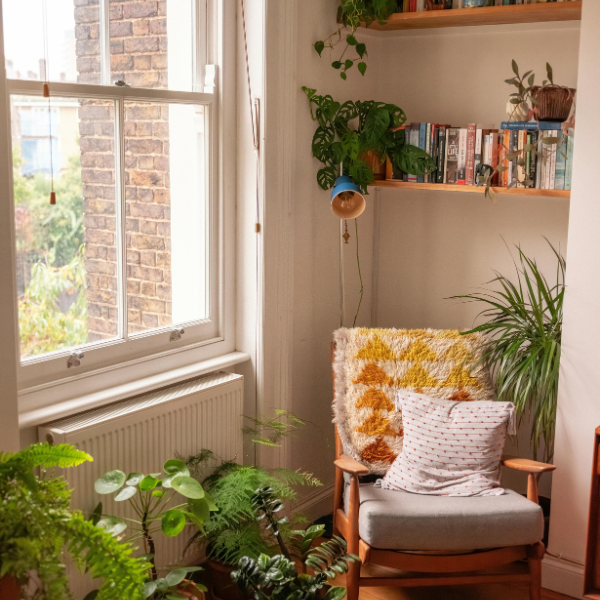
Choose a nearby place with natural features, then sit there regularly at an unhurried pace. Let your attention settle on what is actually present: the movement of leaves, the texture of bark, the changing light, or the sound of birds. A neighbourhood tree, a garden, or a small park can hold this practice. And if you need to stay at home, a balcony, porch, or even windowsill works too.
Sean Bonner at a Sit Spot Practice with Maria Koehn
Citation
Daube, A., Lima-Carmona, Y. E., Hernández Solís, D. G., & Contreras-Vidal, J. L. (2026). A Systematic Review and Meta-Analysis of EEG, fMRI, and fNIRS Studies on the Psychological Impact of Nature on Well-Being. International Journal of Environmental Research and Public Health, 23(3), 377. DOI: 10.3390/ijerph23030377.
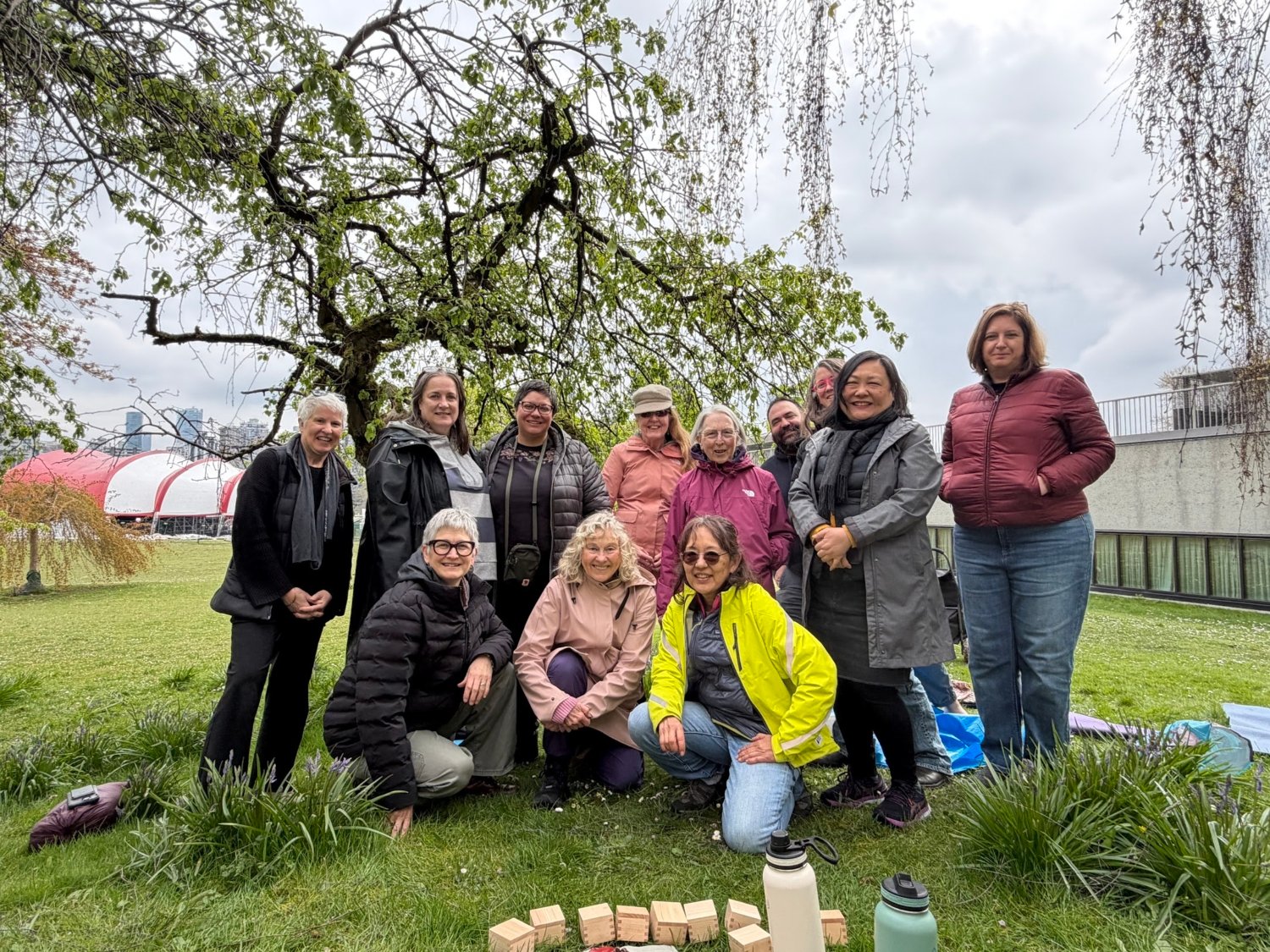
In 2026 I invited Forest Therapy guides to host Sit Spot Club sessions in their communities. I am grateful for their generosity and talent connecting residents of Metro Vancouver to nature. By joining their sessions I have gotten to know them better and their unique way of guiding. If you are interested in having a truly immersive experience, please reach out to any of these guides or join one of their public sessions.
Lynn Fearn
Lynn guides in West Vancouver and Bowen Island at Rivendell Retreat Centre. She is a retired nurse and certified by Global Institute of Forest Therapy and Nature Connection and Forest Therapy Hub. Connect with Lynn.
Glee Devereaux
Glee is a talented musician, teacher and Forest Therapy guide based in Vancouver. She is a passionate volunteer spending her time caring for parks and animals. Connect with Glee.
Maria Koehn
Maria is a certified Sound Healer and ANFT Forest Therapy Guide in Surrey. I’ve been to two of her sound bath sessions and I feel relaxed and rejeuvenated afterwards. She hosts sessions in her studio and in the community. Sign up for her next event here.
Tamiko Suzuki
Tamiko organizes social and environmental justice events. She is running for Vancouver Park Board to upgrade neglected parks, expand the tree canopy, restore natural ecosystems, and grow the green spaces. Vote for Tamiko and connect with her here.
Both solo and guided mindful forest walks reduce stress, improve mood, and increase nature connectedness. Guide-led programs tend to add greater gains in self‑esteem, emotional regulation, social bonding, and sometimes larger anxiety and physiological effects than self-guided walks, though findings vary.
Main outcome differences
Self-guided experiences reliably improve mood, anxiety scores, and nature connectedness, while guided programs more often add effects on self‑esteem, emotional shifts, and social engagement.
Both effective Self-guided and guided forest therapy produced significant improvements in negative affect, mood states, anxiety, and nature connectedness compared with routine activities or controls [1] [2] [3].
Guided advantages Guided programs showed additional increases in self‑esteem compared with routine activities and, in several studies, greater reductions in state anxiety and total mood disturbance than self‑guided immersion [1] [4].
Different experiential emphasis Qualitative analyses report that self-guided sessions are more associated with introspection and inward focus, whereas guided sessions emphasize emotional change and social interaction [3].
Physiological outcomes
Comparative physiological data show consistent overall benefits from forest exposure but mixed differences between solo and guided formats depending on measures and contexts.
General physiological effects Forest-based interventions reduce systolic and diastolic blood pressure and salivary cortisol on average across studies of urban residents [5].
Heart rate Reductions in heart rate have been reported in both guided and self‑guided sessions across diverse parks and seasons [6].
Blood pressure and stress hormones Blood pressure responses varied between guided and self‑guided sessions and across individuals and settings; some studies found guided sessions produced larger or more consistent Systolic Blood Pressure decreases and lower stress‑hormones than strolling alone [6] [7].
Therapist-led clinical advantage Guided forest immersion led by clinical therapists was associated with greater short‑term reductions in state anxiety [4].
Psychological outcomes
Psychological outcomes across formats include depth of reflection, emotion regulation, social connectedness, and mindfulness.
Mood and anxiety Both formats improved mood and reduced anxiety in randomized crossover and controlled trials [2] [9] [10].
Nature connectedness Participation in either self‑guided or guided immersion increases connectedness to nature; some studies report stronger or more complex cognitive–emotional responses when a guide structures the experience [1] [2] [11].
Introspection versus social bonding Self‑guided therapy is repeatedly reported to foster introspection and inner-focused reflection, while guided programs foster emotional shifts and opportunities for social interaction and shared processing [3].
Mindfulness depth Insufficient evidence to conclude that certified guide‑led sessions reliably produce deeper mindfulness states than self‑guided sessions; many comparative trials did not include validated “mindfulness depth” measures or produced mixed results.
Emotional nuance and stability Guided formats can elicit deeper emotional processing and more complex cognitive responses to nature, and may buffer external variability (e.g., noise, weather), supporting more consistent experiential outcomes [11].
Moderators and practical interpretation
Differences between self-guided and guide-led outcomes depend strongly on participant characteristics, facilitation type, environment, and dose; these moderators explain many inconsistent findings. Choice of format should align with intended goals (introspection, clinical symptom reduction, social support, or scalable public health delivery).
Participant experience Increases in nature connectedness and mood were larger among participants with low prior forest‑bathing experience in some studies, affecting whether guided facilitation adds benefit [6].
Environment and sensory context Plant diversity, ambient sound levels, light, and season influenced mood and physiological responses, sometimes interacting with whether sessions were guided or self‑guided [6].
Dose and session length Longer or multi‑session forest therapy (≥20 minutes and repeated sessions) produced larger blood pressure and cortisol reductions in pooled analyses [5].
Facilitator type matters Clinical therapist‑led sessions (psychologists/therapists) have shown larger short‑term mental‑health gains and reduced outcome variability compared with unguided immersion in at least one study, and one retrospective analysis suggested higher economic value for therapist‑led delivery [4].
Practical recommendation Use self‑guided formats when the goal is personal reflection, scalability, or low cost; choose certified or therapist‑led programs when targeting clinical anxiety, structured emotional processing, social cohesion, or when environmental distractions must be managed.
References
[1]W. S. Shin and J.-G. Kim, “The influence of Self-Guided and Guided Forest Therapy Program on Students’ Psychological Benefits,” Journal of people, plants, and environment, vol. 26, no. 2, pp. 169–179, Apr. 2023, doi: 10.11628/ksppe.2023.26.2.169.
[2]W. S. Shin, I. K. Seong, and J.-G. Kim, “Psychological Benefits of Self-Guided Forest Healing Program Using Campus Forests,” Forests, vol. 14, no. 2, pp. 336–336, Feb. 2023, doi: 10.3390/f14020336.
[3]J.-G. Kim and W.-S. Shin, “Forest Therapy Alone or with a Guide: Is There a Difference between Self-Guided Forest Therapy and Guided Forest Therapy Programs?,” International Journal of Environmental Research and Public Health, vol. 18, no. 13, p. 6957, June 2021, doi: 10.3390/IJERPH18136957.
[4]R. Rivieccio, F. Meneguzzo, G. Margheritini, T. Re, U. Riccucci, and F. Zabini, “Therapist-Guided Versus Self-Guided Forest Immersion: Comparative Efficacy on Short-Term Mental Health and Economic Value,” Behavioral science, vol. 15, Nov. 2025, doi: 10.3390/bs15121618.
[5]Q. Qiu et al., “The Effects of Forest Therapy on the Blood Pressure and Salivary Cortisol Levels of Urban Residents: A Meta-Analysis,” International Journal of Environmental Research and Public Health, vol. 20, no. 1, pp. 458–458, Dec. 2022, doi: 10.3390/ijerph20010458.
[6]“Forest bathing in Metro Vancouver, Canada : a randomized crossover study examining health outcomes and environmental and vegetation influences,” Mar. 2025, doi: 10.14288/1.0448266.
[7]K. Igawahara, T. Kagawa, N. Takayama, and B.-J. Park, “Research on the Effect which a Guide Brings about in a Forest Walk,” Journal of the Korea Society of Computer and Information, vol. 70, no. 5, pp. 597–600, Mar. 2007, doi: 10.5632/JILA.70.597.
[9]H. Ochiai et al., “Physiological and psychological effects of forest therapy on middle-aged males with high-normal blood pressure,” International Journal of Environmental Research and Public Health, 2015, doi: 10.3390/IJERPH120302532.
[10]A. Muro et al., “Forest bathing and hiking benefits for mental health during the COVID-19 pandemic in Mediterranean regions,” European Journal of Forest Research, vol. 142, no. 2, pp. 1–12, Feb. 2023, doi: 10.1007/s10342-023-01531-6.
[11]P. E. Loyola, “Evaluación de la influencia de un guía en prácticas de inmersión en la Naturaleza: conexión y actitudes de valoración de la Naturaleza en espacios verdes urbanos,” Jan. 2024, doi: 10.7764/tesisuc/agr/88525.
The biophilia hypothesis suggests that humans have an evolved affinity for living systems . Modern humans remain adapted to sensory-rich, natural settings, resulting in measurable physiological stress when isolated in synthetic environments .
“Touch grass” has entered common usage as shorthand for stepping away from a screen and returning to the physical world. The phrase resonates because it names something real: human nervous systems evolved in close contact with living material, and sustained separation from it has measurable physiological costs.
Multi-sensory natural environments produce greater benefits that single-modality indoor interventions cannot fully replicate .
However, weather, air quality, urban living, shiftwork, unsafe circumstances, accessibility, and long work days can be obstacles to time outside. The good news, is that your wooden furnishings might be making you calmer than you think.
In small studies, touching wood has been associated with short-term signs of increased rest-and-recovery activity . The effect is consistent across multiple studies and wood species. The body responds to natural materials in ways that are measurable, and distinct from its response to metal, plastic, or synthetic surfaces.
Studies have also found restorative potential of exposed wood surfaces in healthcare facilities and oncology waiting rooms , alongside improved physiological recovery in hospital rooms containing indoor foliage .
If you live with any of those barriers — if you work long days, if smoke season keeps you indoors, if your mobility makes a forest path difficult, if your workday runs past sunset, if your body is recovering from illness or injury — a sit spot practice is for you.
A sit spot practice is simply spending time outdoors in a consistent location and engaging your senses. The indoor sit spot adapts this practice. In fact, early stress reduction research presented photos and videos to participants indoors . A practical indoor sit spot that includes a wood surface, a plant, natural light and a brief daily ritual, offers an accessible, science-backed way to maintain nature connection regardless of outdoor conditions.
The Environmental Mismatch
The human nervous system evolved in sensory-rich outdoor environments. When you feel depleted by a screen-heavy day, that depletion is a predictable biological response to conditions humans have never previously encountered at this scale.
A sit spot works because repeated, brief exposure to natural stimuli triggers measurable physiological changes: parasympathetic activation (the body’s rest-and-recovery response), reduced prefrontal cortex activity, and lower stress biomarkers.
The outdoor version delivers those stimuli through multiple senses simultaneously: sound, light quality, temperature, smell, visual complexity, ground contact. One sense that is often underestimated for indoor interventions is touch.
The Science of Touching Wood
Simple physical contact with natural wooden surfaces helps shift the autonomic nervous system away from stress-induced arousal and toward physiological calm. Research led by Hiroko Ikei and Yoshifumi Miyazaki demonstrates that physical contact with natural, untreated wood produces measurable relaxation responses in the human nervous system compared to synthetic or hard inorganic materials such as marble, tile, or stainless steel .
When individuals touch uncoated or brushed wood, two distinct physiological changes occur: 1) blood oxygenation levels in the prefrontal cortex, the region of the brain responsible for complex cognitive processing, decline, indicating a reduction in mental exertion and cerebral strain, 2) measurements of high-frequency heart rate variability (HF-HRV) increase significantly. High-frequency heart rate variability serves as a direct marker of parasympathetic nervous system activity, which regulates the body’s involuntary recovery and relaxation functions.
The mechanism is partly thermal. Wood conducts heat more slowly than metal or stone, so it maintains your hand’s surface temperature rather than drawing warmth away. The nervous system registers this as safe. Surface texture also plays a role: both thermal perception and roughness shape the physiological response.
Surface finish matters. Uncoated and oil-finished wood produces stronger relaxation signals than glossy, mirror-polished, or urethane-coated surfaces.
Caveat. Systematic reviews caution that many primary studies in this area use small samples, single-modality stimuli, and heterogeneous methods, meaning the findings are promising and consistent, but translation to clinical guidelines warrants further large-scale trials .
Wooden Environments
Large-scale reviews of the literature support wood as a restorative environmental material, proposed for offices, schools, and care settings. For example, researchers found that a wooden waiting-room had regenerative potential in clinical indoor spaces . Another study found that using wooden tableware in social workplace gatherings reduced stress compared with metal alternatives.
The Exchange in Kelowna, British Columbia, a mass timber office building, was evaluated post-occupancy by Happy Cities for Forestry Innovation Investment. 87% of employees reported higher mental wellbeing, 61% improved physical wellbeing, and 74% better collaboration compared with conventional office environments. The combination of exposed wood, natural light, and plants produced measurable gains. This is biophilic design (the practice of incorporating natural elements into built environments) working as intended: built-in environmental conditions that support human biology.
These findings inform the benefits for indoor sit spots.
Designing Your Indoor Sit Spot
Designate an indoor spot where you dedicate 10 minutes to quiet, semi-structured attention. Include at least one wooden surface within reach.
Choose your surface. A wooden table, an unfinished timber shelf, a smooth piece of driftwood, a turned wooden bowl, a wooden spoon, or a cutting board kept. Uncoated or oil-finished is better than glossy.
Don’t have unfinished wood? Raw clay, unglazed ceramic, stone, and textured natural fibre also conduct heat more slowly than metal or plastic. A river stone, a terracotta coaster, or a linen cushion in your lap won’t replicate wood exactly but will give your nervous system a warmer, more natural signal than a plastic desk or metal chair.
Position it near natural light. Light quality matters alongside material contact. Ideally you can be near a window, but it is not required.
Add a plant. A plant that you can touch extends the multi-sensory signal. Multisensory natural environments consistently outperform single-modality contact in the research .
Keep it consistent. Same spot at about the same time every day. The nervous system responds to predictability, and it is the repetition, not just the habit-building that provides benefits.
One January 2026 cohort participant described the feeling this way:
“Such a gentle way to approach the practice.”
The Practice
Guided Audio Practice • 3 Min
Indoor Sit Spot — Wood (Sit Spot Club)
Press play. Rest your hand on the wood surface, palm down, weight released. Notice the temperature, the texture, and the grain.
Breathe. Follow the 3-minute guided audio to anchor your attention.
Sit. When the audio finishes, remain seated in quiet observation for the rest of your 10 minutes: what you can hear, what you can see, and what the air feels like on your face.
10 minutes is the minimum meaningful dose based on the research, enough time to complete a stress cycle rather than interrupt one.
“10 minutes flew by.”
Why This Matters
Nature connection happens through touch, through smell, through the sound of rain on glass. It requires contact with materials and conditions that your nervous system recognizes.
The indoor sit spot keeps the practice alive through the seasons when outdoor access is genuinely limited. And it is backed by real research. Including mine .
Build the Habit: The Free 3-Day Sit Spot Series
If 10 minutes touching wood changes your baseline today, building a 3-day rhythm anchors the habit.
Sign up below to receive the free 3-Day Sit Spot Audio Series by email. Each morning, you will receive one brief guided audio practice and a specific sensory prompt to start your day:
Ready to go deeper? The full Sit Spot Sessions delivers a daily practice by email each morning.
We use cookies to improve your experience on our site. By using our site, you consent to cookies.
Cookie Preferences
Manage your cookie preferences below:
Essential cookies enable basic functions and are necessary for the proper function of the website.
Name
Description
Duration
automator_client_id
Maintains anonymous session continuity for site automations and guest form interactions.
Session
Cookie Preferences
This cookie is used to store the user's cookie consent preferences.
365 days
These cookies are needed for adding comments on this website.
Name
Description
Duration
comment_author
Used to track the user across multiple sessions.
Session
comment_author_email
Used to track the user across multiple sessions.
Session
comment_author_url
Used to track the user across multiple sessions.
Session
Google's current Sign in with Google client library. It renders the Google sign-in button, or the One Tap prompt, so visitors can log in to your site with their Google account. It replaces the older Google Sign-In platform library.
Set on your own domain by the Sign in with Google client library. Records whether the visitor has dismissed the One Tap sign-in prompt and for how long it should stay hidden, plus the time the library last loaded and a browsing session id used for the same purpose. Sites that pass a custom state_cookie_name will see that name instead.
180 days
g_csrf_token
Set on your own domain by the Sign in with Google client library and submitted together with the sign-in credential, so your site can confirm the sign-in came from its own page and not from a forged cross-site request.
5 minutes
Google Tag Manager simplifies the management of marketing tags on your website without code changes.
Name
Description
Duration
cookiePreferences
Registers cookie preferences of a user
2 years
td
Registers statistical data on users' behaviour on the website. Used for internal analytics by the website operator.
session
These cookies are used for managing login functionality on this website.
Name
Description
Duration
wordpress_logged_in
Used to store logged-in users.
Persistent
wordpress_sec
Used to track the user across multiple sessions.
15 days
wordpress_test_cookie
Used to determine if cookies are enabled.
Session
Statistics cookies collect information anonymously. This information helps us understand how visitors use our website.
Google Analytics is a powerful tool that tracks and analyzes website traffic for informed marketing decisions.
Contains information related to marketing campaigns of the user. These are shared with Google AdWords / Google Ads when the Google Ads and Google Analytics accounts are linked together.
90 days
__utma
ID used to identify users and sessions
2 years after last activity
__utmt
Used to monitor number of Google Analytics server requests
10 minutes
__utmb
Used to distinguish new sessions and visits. This cookie is set when the GA.js javascript library is loaded and there is no existing __utmb cookie. The cookie is updated every time data is sent to the Google Analytics server.
30 minutes after last activity
__utmc
Used only with old Urchin versions of Google Analytics and not with GA.js. Was used to distinguish between new sessions and visits at the end of a session.
End of session (browser)
__utmz
Contains information about the traffic source or campaign that directed user to the website. The cookie is set when the GA.js javascript is loaded and updated when data is sent to the Google Anaytics server
6 months after last activity
__utmv
Contains custom information set by the web developer via the _setCustomVar method in Google Analytics. This cookie is updated every time new data is sent to the Google Analytics server.
2 years after last activity
__utmx
Used to determine whether a user is included in an A / B or Multivariate test.
18 months
_ga
ID used to identify users
2 years
_gali
Used by Google Analytics to determine which links on a page are being clicked
30 seconds
_ga_
ID used to identify users
2 years
_gid
ID used to identify users for 24 hours after last activity
24 hours
_gat
Used to monitor number of Google Analytics server requests when using Google Tag Manager
1 minute
Jetpack's built-in visitor analytics. It records page views, referring sites, search terms, and outbound link clicks, and also carries the shared visitor-tracking library used by Jetpack Instant Search and WooCommerce Analytics.