
RESEARCHER · PROGRAM DESIGNER · TECHNOLOGIST
Evidence-Based Nature Connection
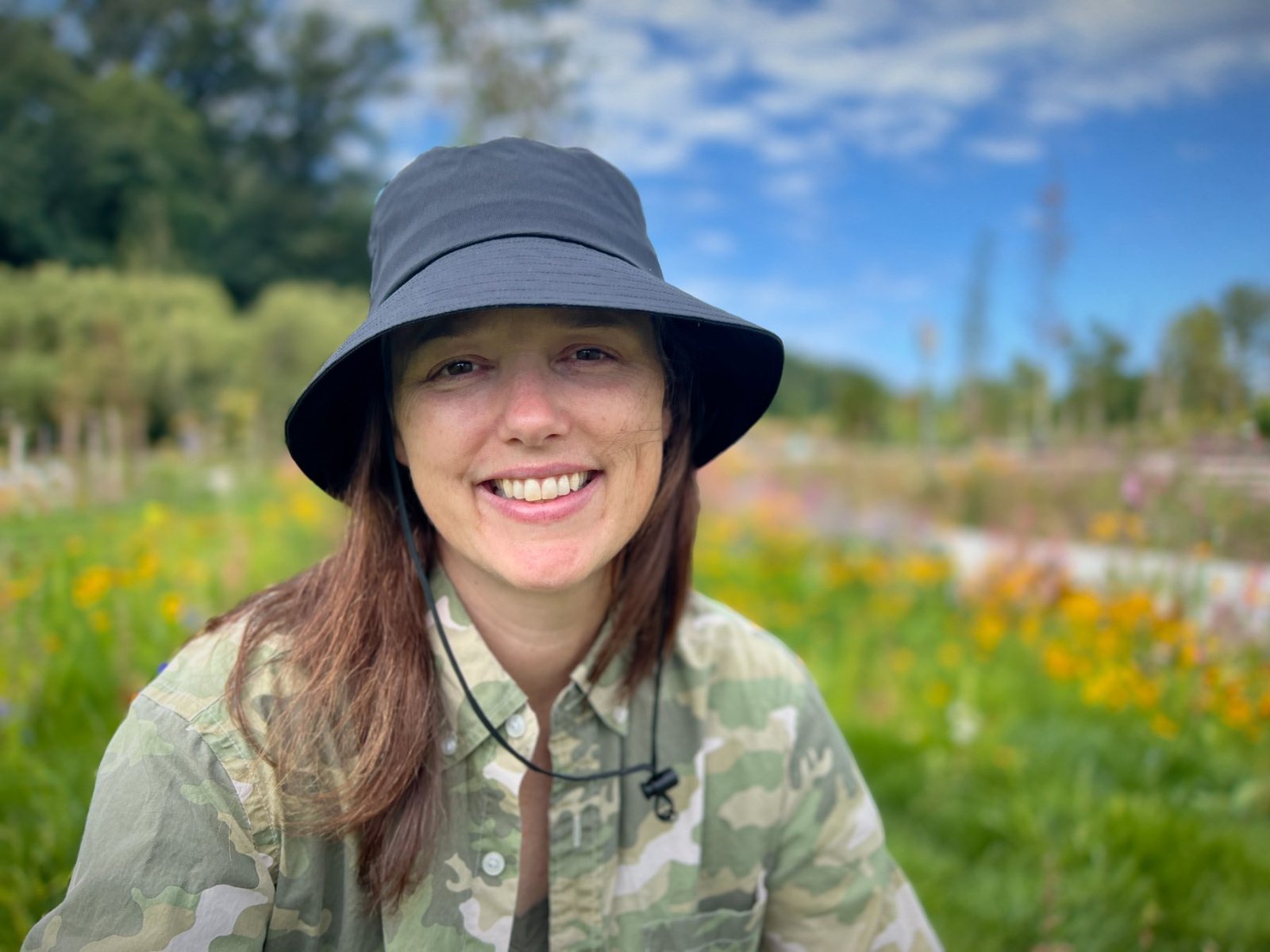
Tara Tiger Brown, PhD researches how nature supports human health, and puts that evidence into practice through guided programs, trail assessments, and evaluating how AI considers the environment and animal welfare.
From the research
Quiet for us isn’t always quiet for wildlife
Drag the slider to change the noise level on a trail.
Quiet. Most people would call this a peaceful trail.
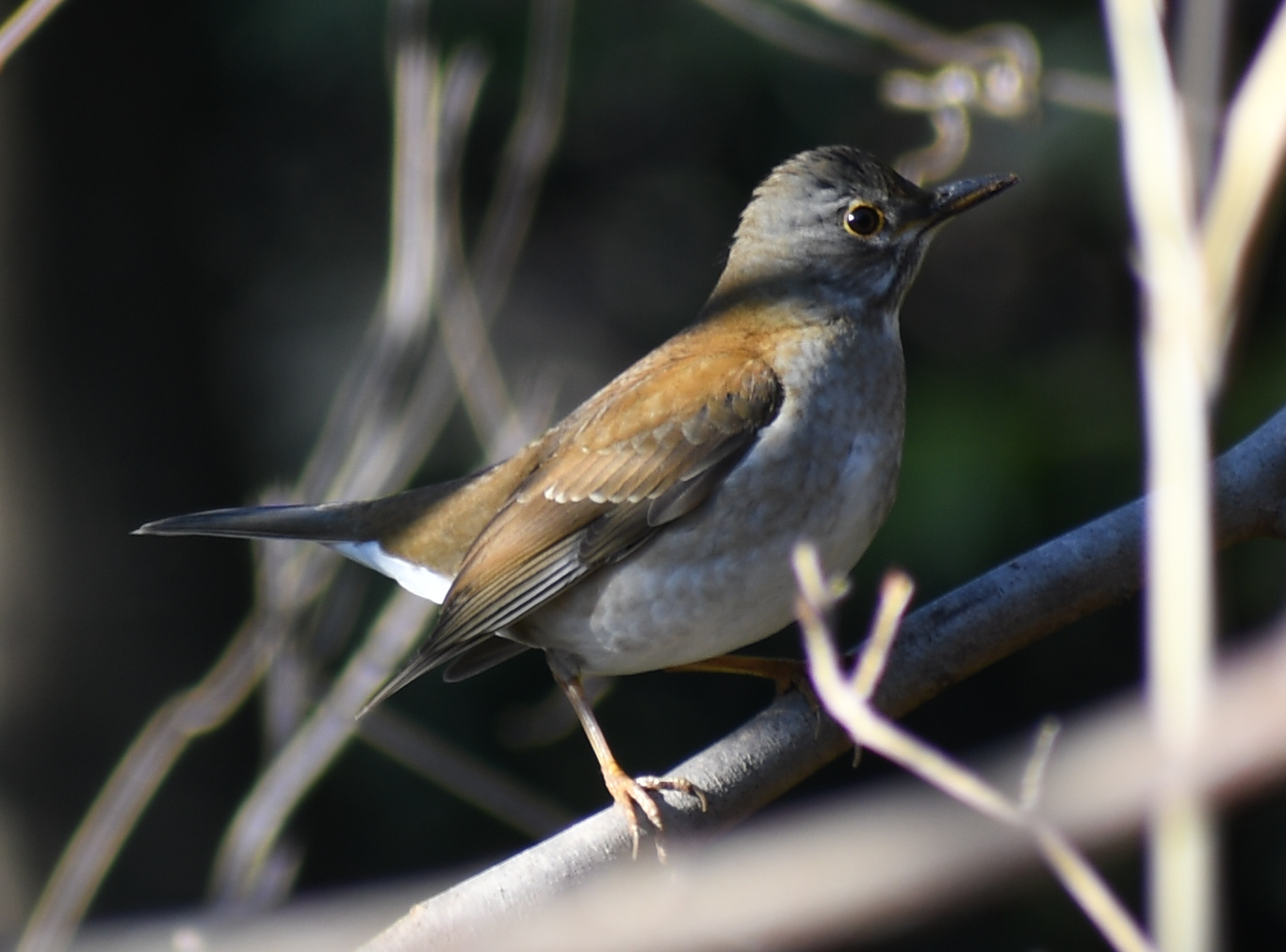
Quiet to us, but animals may still respond
Responses have been reported from around 40 dBA (Shannon et al., 2016). In eight urban parks averaging 31 to 45 dBA, noise explained more of the variation in bird species richness than habitat did (Perillo et al., 2017).
dBA reflects human hearing and underweights low-frequency sound such as aircraft and fireworks. Hearing-risk times use the NIOSH model: 85 dBA for 8 hours, halving every 3 dBA. Reference ranges on the scale come from empirical field assessments and published studies.
Work together
Three ways to work together
Pick the path closest to your needs.
 PATH 1
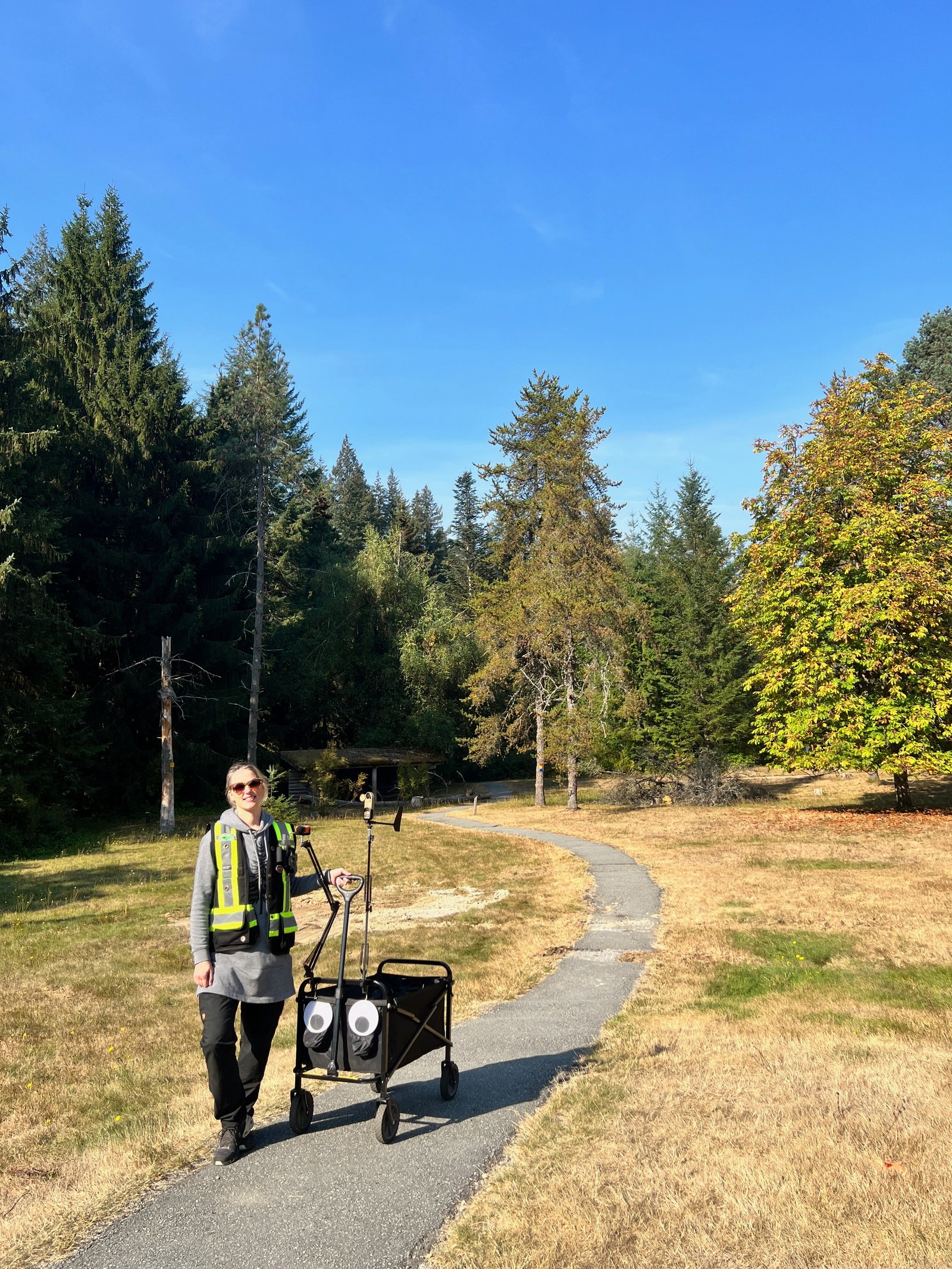
Therapeutic and Sensory Trail Assessments
Measurably support human health. Respect wildlife.
FOR Park managers, urban planners, health authorities, and resort and hospitality groups.
-
Visitor perception and health measures +
Psycho-physiological outcomes (blood pressure, heart rate, Abbreviated Profile of Mood States (A-POMS), Connectedness to Nature (CNS)) alongside visitor survey feedback on perceived quietness, noise sensitivity, and stress reduction.
-
Microclimate, light, and air quality +
Mobile cart microclimate logging (temperature, relative humidity, wind speed, Climatic Comfort Index), lux photometer light measurements, and regional and in-situ air quality metrics (PM₂.₅).
-
Acoustic audits and soundscape mapping +
Decibel logging (dBA), natural versus anthropogenic sound auditing, and identifying quiet refuges within urban park systems.
-
Vegetation structure and wildlife habitat +
Forest canopy coverage thresholds (minimum 30%), interrupted line transects, 5 × 5 m quadrats, dominant indicator plant species, and habitat preservation.
 PATH 2
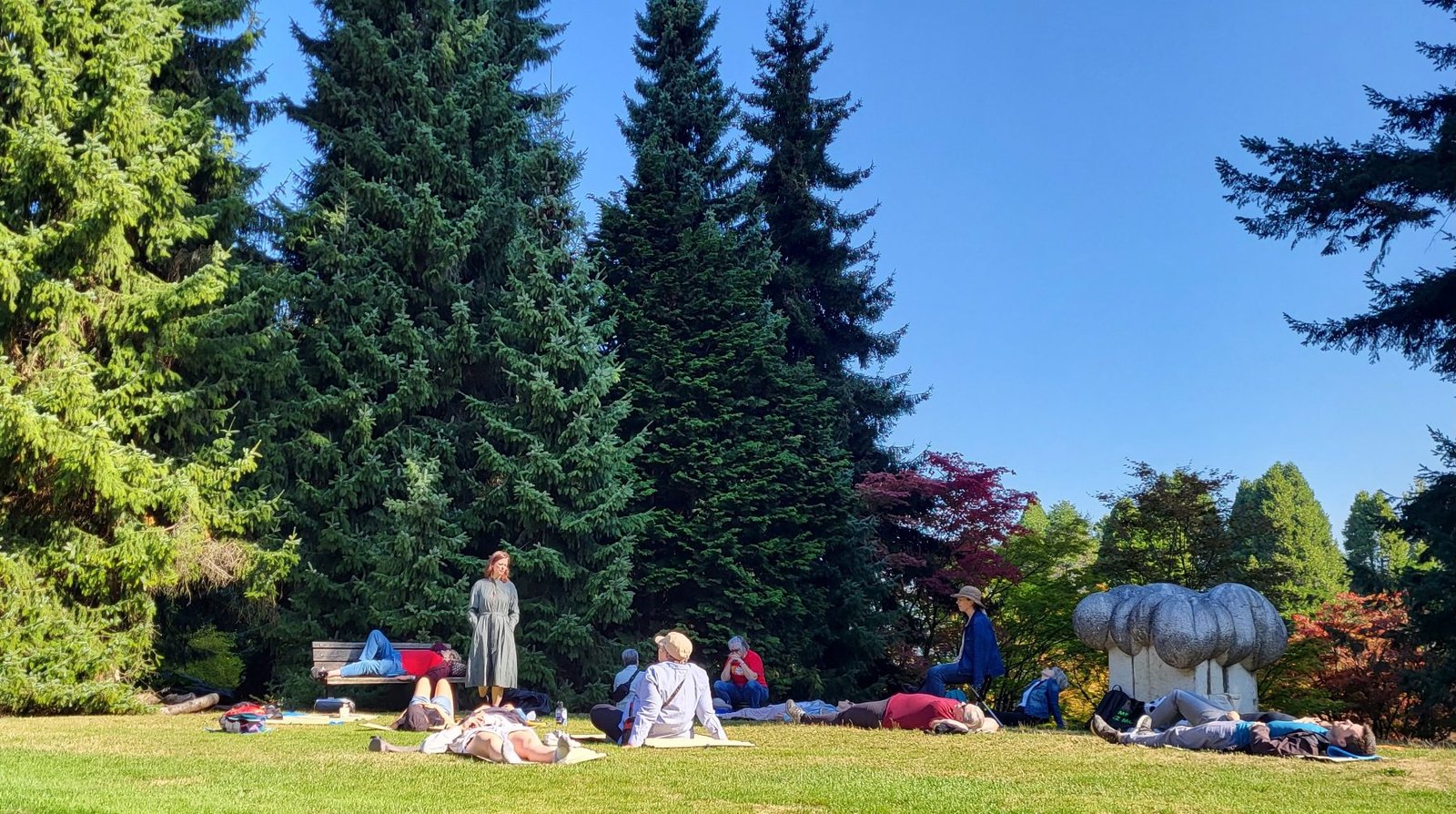
Talks, Workshops, and Guided Sessions
Forty years of nature-health research, made practical.
FOR Conferences, healthcare systems, academic institutions, and corporate teams.
-
Forest bathing science +
Translating doctoral forestry research and sensory ecology into practical human restoration.
-
Acoustic ecology in urban planning +
How soundscapes shape cognitive health, stress reduction, and community flourishing.
-
Human-technology coexistence +
Examines how digital innovation and AI can reconnect urban populations with nature rather than exacerbate digital fatigue or technostress.
-
Group sessions and PaRx connection +
Delivers structured group forest bathing sessions connecting clinical prescriptions with therapeutic outdoor practice.
 PATH 3
Artificial Intelligence and Wild-Animal Welfare Evaluations
AI assistants now advise millions of visitors seeking quiet trails, but human quiet is not animal welfare.
FOR AI research labs, outdoor platforms (e.g. AllTrails), conservation tech teams, and park agencies.
-
Field-grounded model evaluations +
Testing how language models and consumer assistants advise on trails and natural spaces, scored against empirical field acoustic data.
-
Welfare benchmarks and safeguard design +
Measuring omission, hallucination, and the impact of evidence briefs so models don’t mistake human calm for ecological safety.
-
Research co-authorship and advisory +
Ground-truthed validation using 17 urban and peri-urban forest trail audits from the Silent Trails project in Metro Vancouver Regional Parks.
Doctoral research at UBC Faculty of Forestry and Environmental Stewardship
Field-tested methods for restorative greenspace
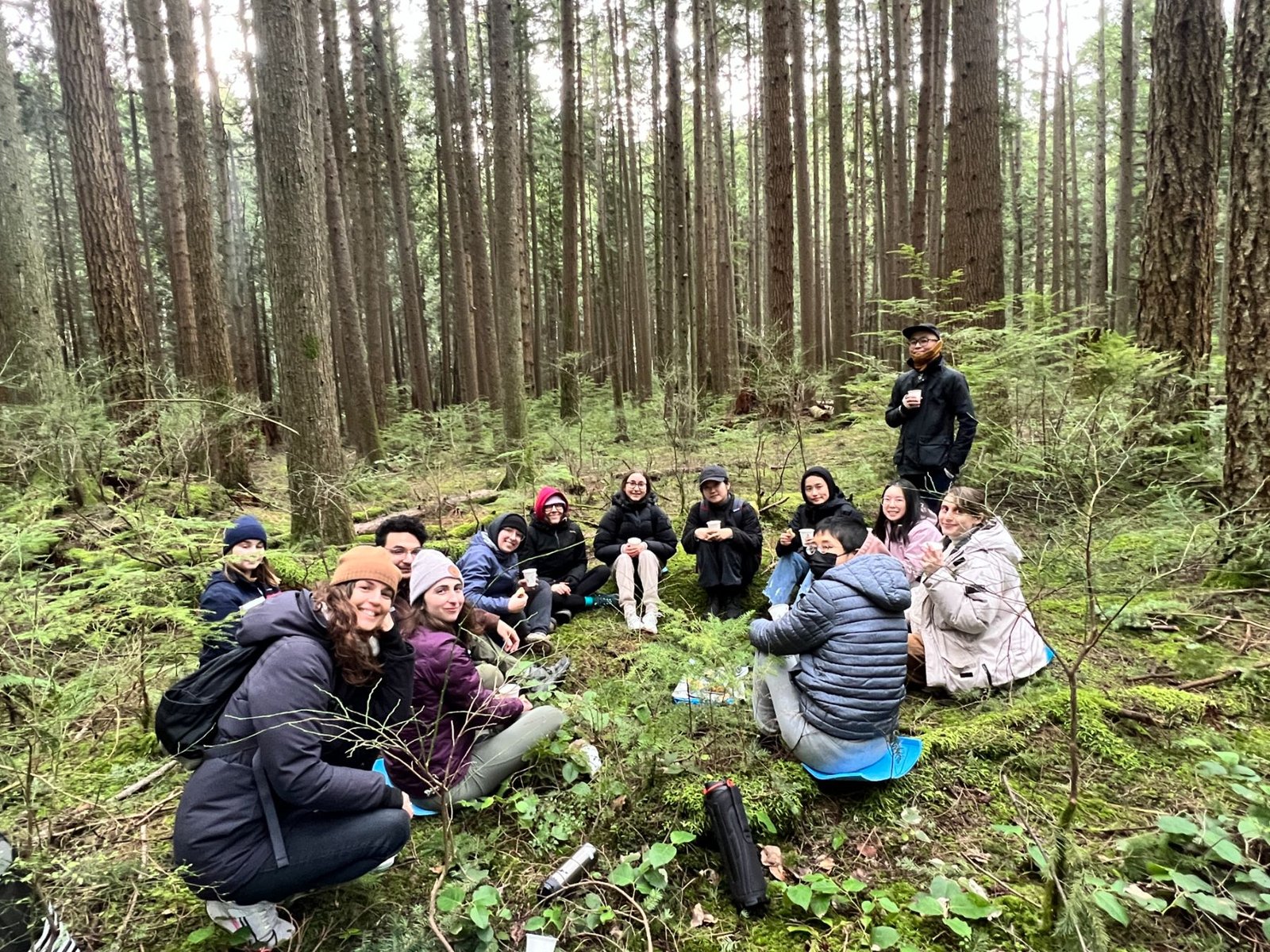
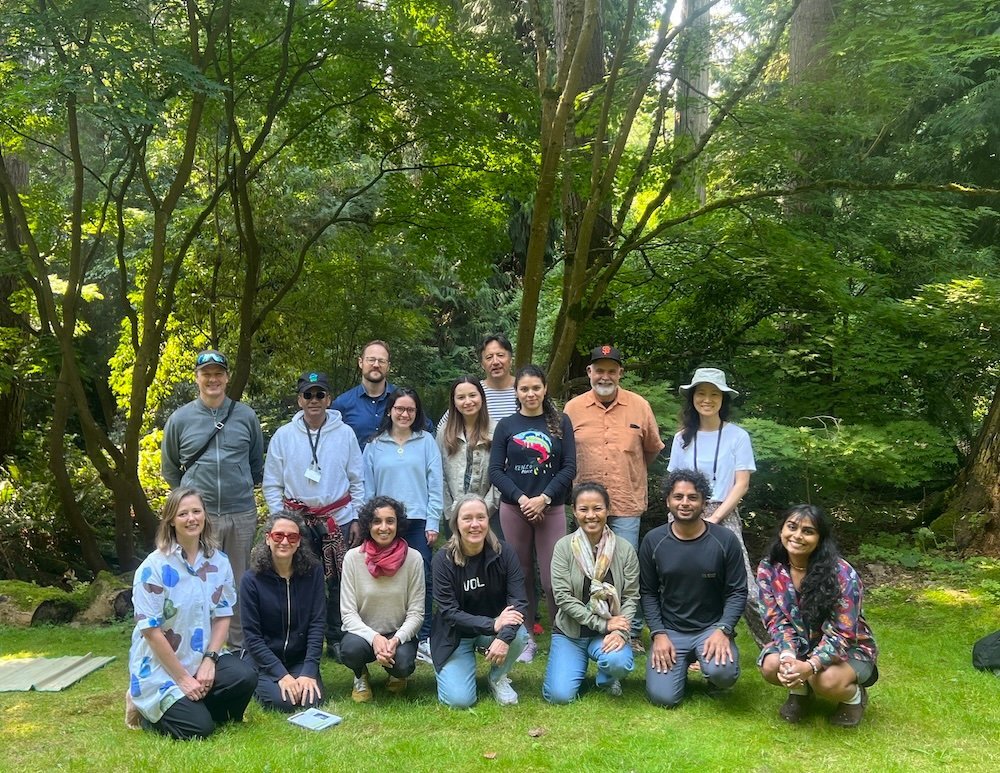
My doctoral research developed a standardized methodology for evaluating forest trails as therapeutic landscapes, examining acoustic thresholds, microclimate comfort, vegetation density, and psycho-physiological recovery. I apply these learnings to my guided sessions and assessments.
PROFESSIONAL EXPERIENCE
From tech to trees
Before earning my PhD at UBC, I spent 15+ years in tech and education leading software projects for Microsoft, building platforms that helped musicians reach fans directly, and developing learning products with research labs at USC and UC Irvine.
Now I bring those worlds together through programs, field assessments, and evaluating how AI handles natural spaces and where human field observation is still needed.
Not ready to book?
Start with something to read
Free, sent straight to your inbox.
Sample Trail Assessment Report
A redacted example: sensory and acoustic audit, soundscape map, and design recommendations.
Project intake
Tell me about your project
Send the details, or go straight to a 20-minute exploratory call.
20-minute exploratory call
If you have an immediate event date or RFP deadline, let’s connect directly.
Based in Vancouver, BC. Working with parks, health systems, and technology teams across Canada and the US.
Also from Tara
Programs and Initiatives
Each initiative has its own site and audience.
Sit Spot Club
Daily 10-minute outdoor habit audio practices and multi-seat licensing for therapists and nature guides.
Silent Trails
Self-guided contemplative trails and acoustic conservation standards across British Columbia.
Visit silenttrails.ca →Super Green Robot
A solarpunk research studio exploring how humans, AI, and the living world can live together responsibly.
Visit supergreenrobot.com →Forest Spaces
Curated directory of restorative outdoor settings and peer-reviewed science storytelling.
Visit forestspaces.com →INSIGHTS AND RESOURCES
- Biophilia Hypothesis
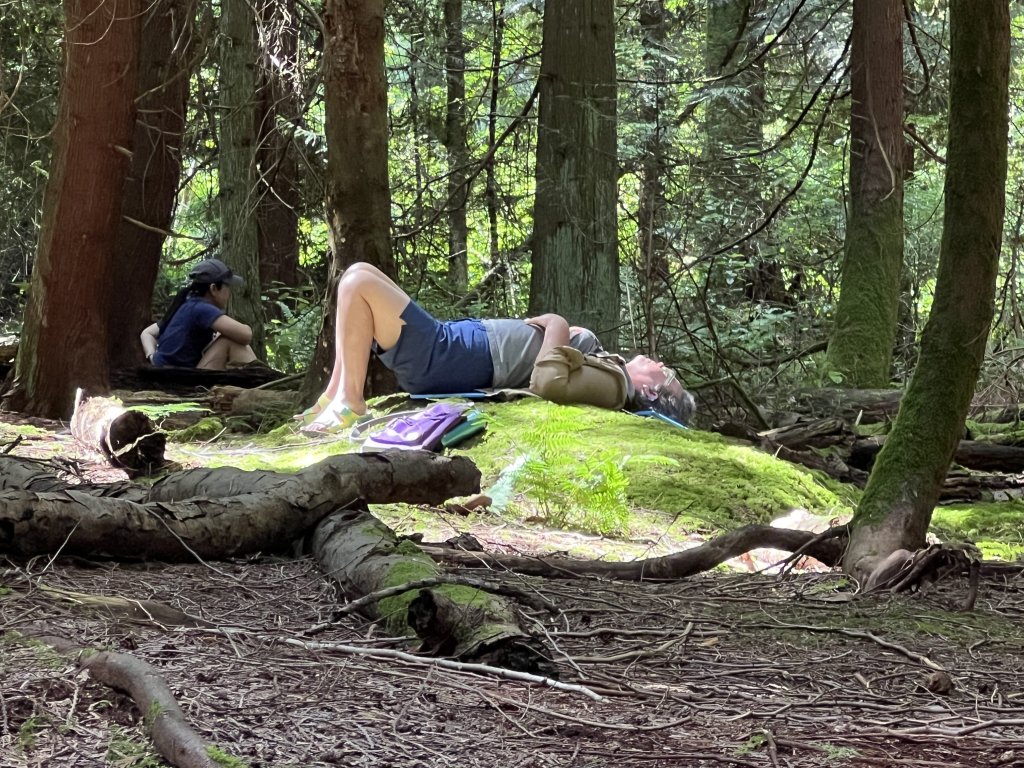 The biophilia hypothesis is the idea that humans have an innate tendency to seek connection with living systems including plants, animals, landscapes, water, sunlight, and other forms of nature. The… Read more: Biophilia Hypothesis
Weekly nature practice research, free.
Join people receiving evidence-based insights on nature connection, research, and practice. Get the 3-Step Guide to Finding Your First Sit Spot when you sign up.
No spam. Unsubscribe anytime.
